
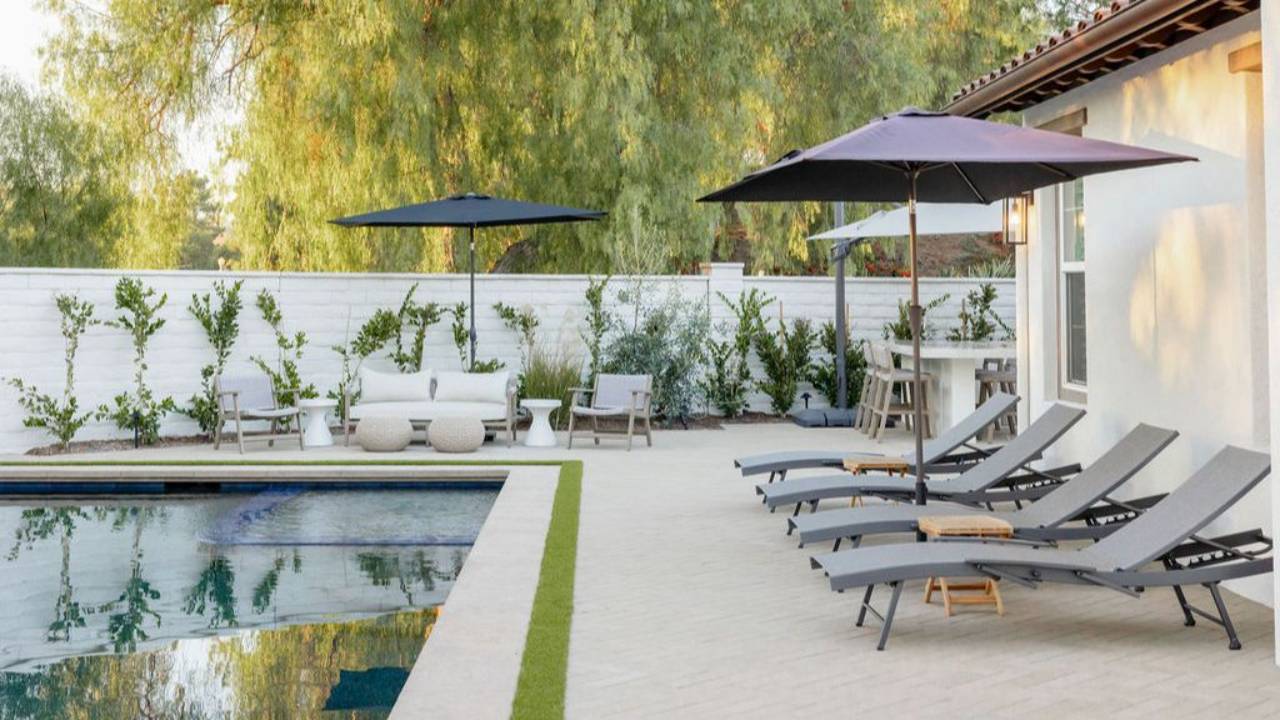
Pavers vs. Poured Concrete: Which Should You Choose?
Sep 23, 2026If you've ever tried to decide between pavers and poured concrete for your patio or walkway, you've probably noticed both sides swear their option is the best. The truth is, there's no universal winner — the right choice depends on your budget, your climate, and what you want long-term.
Let's break it down category by category so you can make the right call for your yard.
Round 1: Upfront Cost
Poured concrete is almost always cheaper upfront. It uses fewer materials, and the labor moves faster — pour it, smooth it, let it cure, and you're done.
Pavers cost more going in. You're paying for individual units, a proper base layer, and more labor hours since each piece is placed by hand.
Winner: Concrete, if a tight budget is your top priority right now.
Round 2: Long-Term Durability
Cheaper upfront doesn't always mean cheaper overall.
Concrete is a single solid slab, which is great — until it cracks. And it eventually will, especially with ground movement or temperature swings. Once cracked, that damage is visible across the whole surface and difficult to repair invisibly.
Pavers are individual pieces that can shift slightly with the ground instead of cracking. If one paver does get damaged, it can simply be popped out and replaced — no visible patch job required.
Winner: Pavers, for long-term durability.
Round 3: Design Flexibility
Pavers come in dozens of shapes, colors, and patterns — herringbone, running bond, circular layouts, and more — giving you a lot of creative freedom.
Concrete is more limited in its natural state, but stamped and stained concrete can mimic higher-end looks like stone or brick for considerably less money.
Winner: Pavers, though concrete can compete with the right upgrades.
Round 4: Maintenance
Neither surface is "set it and forget it" — they just come with different chores.
Pavers require occasional weeding between joints and periodic resanding. Concrete needs resealing every few years to prevent staining and help avoid cracking.
Winner: Tie. It comes down to which type of maintenance you'd rather deal with.
Round 5: Installation Time
If speed matters, concrete has the clear edge — it can be poured and curing within just a few days.
Pavers take longer since each piece is laid individually, which adds up quickly on larger areas.
Winner: Concrete, for fastest turnaround.
Round 6: Climate Performance
This category matters a lot depending on where you live.
Freeze-thaw cycles are hard on concrete. As the ground freezes and thaws, the solid slab expands and contracts — which is exactly what leads to cracking over time.
Pavers handle this much better because they can flex slightly with the ground instead of fighting against it.
Winner: Pavers, especially in colder climates.
Round 7: Resale Value
Pavers are often seen as a premium feature by buyers and appraisers, signaling a higher-end, more intentional design choice.
Concrete is perfectly functional, but it rarely becomes a selling point on its own.
Winner: Pavers, for perceived home value.
Final Scorecard
| Category | Winner |
|---|---|
| Upfront Cost | Concrete |
| Durability | Pavers |
| Design Flexibility | Pavers |
| Maintenance | Tie |
| Installation Time | Concrete |
| Climate Performance | Pavers |
| Resale Value | Pavers |
Pavers win more categories overall — but that doesn't automatically make them the right choice for everyone.
So Which Should You Choose?
Choose concrete if: you want the lowest upfront cost and a fast, straightforward installation.
Choose pavers if: you're planning to stay in your home long-term and care about durability, design flexibility, and resale value.
There's no wrong answer here — just the right one for your priorities, budget, and climate.

