
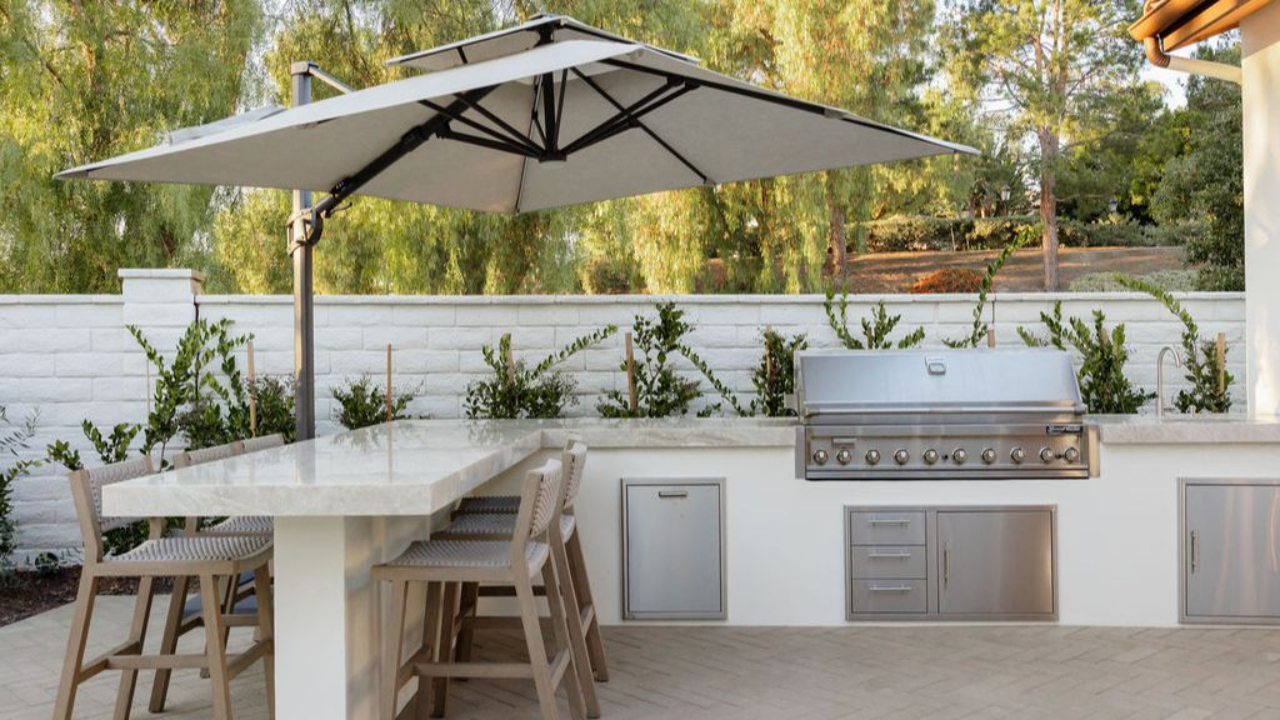
Outdoor Dining Spaces: From Weekend BBQ to Elegant Hosting
Mar 05, 2026Outdoor dining is no longer just a plastic table on the patio.
Today’s homeowners are transforming their backyards into fully designed dining environments—spaces that feel just as intentional and beautiful as their indoor dining rooms.
Whether it’s a relaxed weekend BBQ with family or an elegant evening dinner party under the stars, a well-designed outdoor dining space makes hosting effortless and enjoyable.
Let’s explore how to design one that works for both.
Why Outdoor Dining Spaces Are Worth the Investment
Outdoor dining areas:
- Extend your usable living space
- Increase property value
- Encourage more family time outdoors
- Make entertaining easier
- Create memorable experiences at home
In warm, tropical climates especially, outdoor dining can be used year-round when properly designed.
The key is not just placing a table outside—but designing a complete environment.
Step 1: Define How You’ll Use the Space
Before choosing furniture or finishes, ask:
- Will this be mainly for casual BBQs?
- Do you plan to host formal dinners?
- How many guests do you typically entertain?
- Will you need a nearby outdoor kitchen or grill?
- Is shade essential during the day?
Your answers determine the layout and level of investment.
A flexible design can accommodate both laid-back afternoons and elegant evening gatherings.
Step 2: Create Zones for Comfort and Flow
Great outdoor dining spaces are not isolated—they are integrated.
Consider including:
- A dining zone (table and chairs)
- A prep or grill zone
- A lounge area for before/after meals
- A circulation path that feels natural
Good flow prevents congestion and makes hosting feel effortless.
Step 3: Prioritize Shade and Weather Protection
In tropical climates, shade is non-negotiable.
Options include:
- Pergolas with climbing plants
- Covered patios
- Retractable awnings
- Large umbrellas
- Strategically placed trees
Without shade, your dining area may look beautiful—but rarely get used.
Step 4: Choose Materials That Last Outdoors
Outdoor dining furniture should be:
- Weather-resistant
- Easy to clean
- Durable in heat and humidity
Popular choices include:
- Powder-coated aluminum
- Teak or treated hardwood
- Outdoor-rated cushions
- Natural stone or concrete tabletops
Avoid materials that warp, rust, or fade easily.
Investing in quality saves you from frequent replacements.
Step 5: Design for Evening Ambience
The difference between a simple backyard meal and elegant hosting often comes down to lighting.
Layer your lighting:
- Overhead pendant or string lights
- Soft landscape lighting
- Candle accents
- Wall sconces for subtle glow
Warm lighting instantly elevates the atmosphere and makes guests want to linger.
Casual BBQ vs Elegant Hosting: How to Design for Both
The best outdoor dining spaces can shift moods effortlessly.
For Weekend BBQs:
- Large durable table
- Easy-to-clean surfaces
- Nearby grill station
- Flexible seating
- Open, relaxed layout
For Elegant Hosting:
- Coordinated table setting
- Ambient lighting
- Defined dining area
- Lush planting for privacy
- High-quality finishes
The structure stays the same—the styling changes.
A well-designed space supports both.
Don’t Forget the Surroundings
What frames your dining area matters just as much as the table itself.
Consider:
- Privacy screening with plants
- Vertical greenery or feature walls
- Water features for soothing sound
- Outdoor rugs to anchor the space
- Statement planters
These details turn a dining spot into a true outdoor experience.
The Secret to a Successful Outdoor Dining Space
The secret isn’t more furniture—it’s intentional design.
When your outdoor dining space is planned as part of a larger landscape vision, it feels cohesive, functional, and luxurious.
It becomes a place where:
- Weekend meals feel special
- Celebrations feel elevated
- Conversations last longer
- Memories are created effortlessly

